The short answer: No supplement matches the effectiveness of hormone therapy or the non-hormonal medicines your doctor can prescribe. Among supplements, soy isoflavones have the most consistent (modest) evidence for hot flashes; black cohosh is mixed; red clover and evening primrose oil show little benefit. Several popular ingredients, including black cohosh, ashwagandha and concentrated green tea extract, have rare links to liver injury, so combining them in one capsule deserves caution. If you try a supplement, pick one with a fully disclosed label, give it two to three months and keep a symptom diary.
Menopause supplements are one of the fastest-growing categories online. Most are blends of the same dozen ingredients. This guide goes through them one by one, so you can judge any label for yourself.
Directions for use
- Most effective options for hot flashes are prescription: hormone therapy and some non-hormonal medicines.
- Soy isoflavones: small, fairly consistent benefit for some women.
- Black cohosh: mixed results; rare liver problems reported.
- Red clover, evening primrose, dong quai: little or no evidence.
- Ashwagandha, rhodiola: studied for stress, not hot flashes. Ashwagandha has rare liver-injury reports.
- Check the label: proprietary blends that hide doses make it impossible to know what you're getting.
Ingredient by ingredient
| Ingredient | Evidence for menopause symptoms | Main safety notes |
|---|---|---|
| Soy isoflavones | Modest reduction in hot flashes in some studies | Talk to your doctor after breast cancer |
| Black cohosh | Mixed; many trials show no benefit over placebo | Rare liver damage; avoid with liver disease |
| Red clover | No consistent benefit | Hormone-like effects; caution with hormone-sensitive conditions |
| Sage | A few small studies; not enough evidence | Concentrated extracts contain thujone; avoid high doses |
| Ashwagandha | Studied for stress and sleep, not hot flashes | Rare liver injury; thyroid effects; avoid in pregnancy |
| Chasteberry (vitex) | Some evidence for PMS, little for menopause | May interact with hormone and dopamine-related medicines |
| Green tea extract | No good evidence for menopause | Concentrated extracts linked to rare liver injury |
| Rhodiola | Studied for fatigue and stress; evidence limited | Generally well tolerated in short-term studies |
| Evening primrose oil | No good evidence for hot flashes | Generally safe; may interact with blood thinners |
Soy and flaxseed
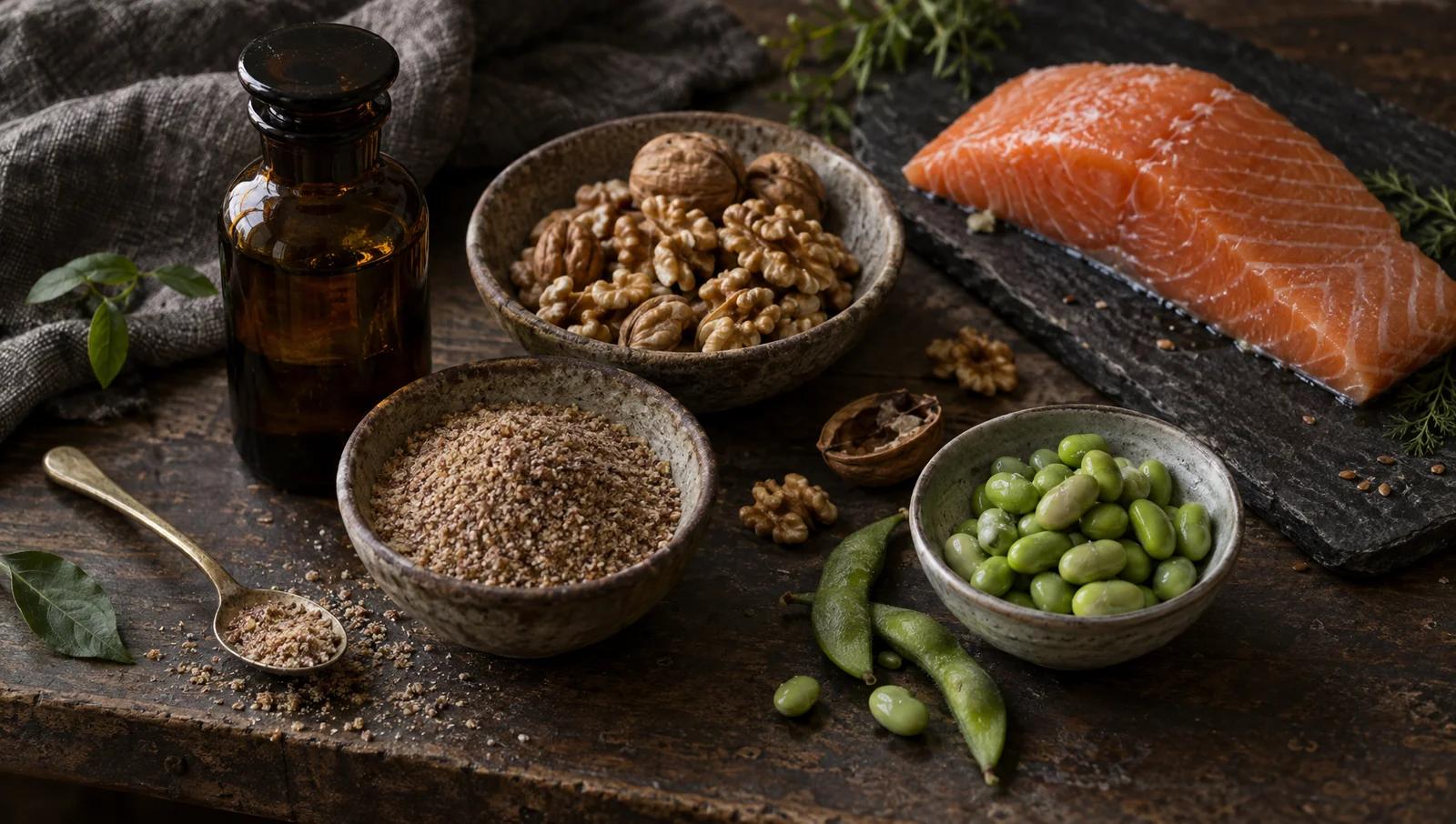
NCCIH reports that soy isoflavone supplements may slightly reduce the frequency and severity of hot flashes, though study results are mixed. Soy foods such as edamame, tofu and soy milk are healthy either way and are an easy first step. Ground flaxseed has been studied too, with little benefit for hot flashes, but it's a good source of fibre.
Black cohosh
Black cohosh is the most studied menopause herb, and the results are inconsistent. NCCIH notes that many trials found no benefit over placebo. There have been rare reports of liver damage in people taking it. If you try it, choose a product that states the dose, and stop if you notice symptoms of liver trouble.
Red clover
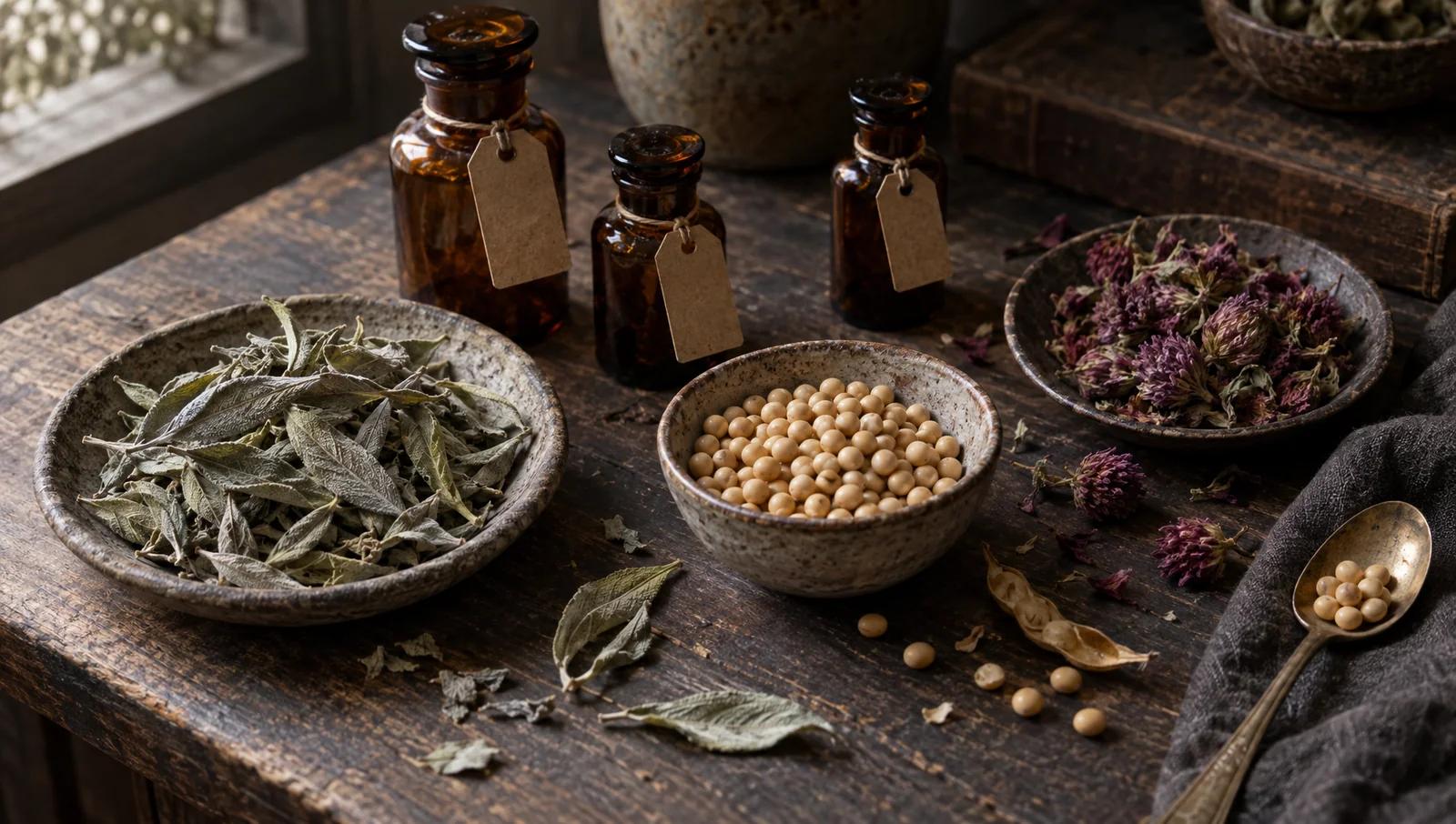
NCCIH says that red clover hasn't been shown to consistently reduce hot flashes. It contains isoflavones with weak estrogen-like effects.
Sage
Sage has a long history in European herbal medicine for sweating, and a few small studies suggest it may help hot flashes. The evidence isn't strong enough to rely on. Culinary amounts are safe; concentrated extracts contain thujone, which is toxic in large amounts.
Ashwagandha and rhodiola
These are adaptogens, herbs studied for stress and sleep rather than hot flashes. If stress and poor sleep are your main problems, they may have a small effect. NCCIH notes rare cases of liver injury with ashwagandha, possible effects on thyroid hormone levels, and advises against it in pregnancy.
Chasteberry
Chasteberry (vitex) has some evidence for PMS symptoms. There's little evidence for menopause. It may affect hormone levels and could interact with hormonal medicines.
About branded blends such as MenoRescue
Many best-selling menopause supplements, such as MenoRescue from WellMe, combine several of the ingredients above. The published MenoRescue labels list ashwagandha (Sensoril), a green tea phytosome, rhodiola, sage, chasteberry and black pepper extract. Some versions also list black cohosh, red clover and schisandra, and not every dose is disclosed.
What that means in practice:
- Most of the blend is stress and sleep support, not ingredients with evidence for hot flashes.
- A formula containing ashwagandha, green tea extract and black cohosh puts three ingredients with rare liver-injury reports in one capsule. That's not a reason for panic, but it is a reason to check with your doctor if you have liver problems, drink heavily or take other medicines processed by the liver.
- The seller offers a long, 180-day money-back guarantee, which lowers the financial risk.
At the time of writing, the seller lists MenoRescue as temporarily unavailable. We'll review it in full when it's back and we can check the current label.
A better order to try things
- Talk to your doctor about treatment options. For moderate or severe hot flashes, hormone therapy is the most effective treatment, and non-hormonal prescription options exist for women who can't or prefer not to use hormones.
- Adjust daily habits. Keep your bedroom cool, notice triggers such as alcohol, caffeine and spicy food, move every day, and protect your sleep. Our guide to menopause changes and what helps covers these in detail.
- Try food first. Add soy foods and ground flaxseed to your meals.
- If you try a supplement, choose one with a fully disclosed label, tell your doctor and pharmacist, give it two to three months, and keep a hot flash and sleep diary.
If sleep is your main complaint, see our review of Yu Sleep, a low-dose melatonin formula, and our five-minute legs-up-the-wall reset.
A note of caution
Stop any supplement and see a doctor if you develop dark urine, yellowing of the skin or eyes, pale stools, or pain in the upper right abdomen. Don't take herbs with hormone-like effects (soy concentrates, red clover, chasteberry, black cohosh) without medical advice if you've had breast, uterine or ovarian cancer, or take hormone therapy, blood thinners or thyroid medicine. Any bleeding after menopause needs a prompt medical check.
Verdict
Supplements are a small lever for menopause symptoms. Soy is the most reasonable to try; black cohosh is a maybe with caveats; most other popular ingredients support stress and sleep rather than hot flashes. Read the label, be wary of hidden doses, and don't let a supplement delay a conversation with your doctor about treatments that work much better.