Most women notice some change in the week or two before their period: bloating, sore breasts, cramps, cravings, irritability or low mood. For some it's barely noticeable. For others it disrupts work, sleep and relationships every month.
Food won't make PMS disappear, but a few nutrients have reasonable evidence behind them, and they're easy to get from ordinary meals. Here's what the research supports, and where to find each one.
Directions for use
- Calcium has the strongest evidence among nutrients for easing PMS symptoms, including mood and bloating.
- Magnesium and vitamin B6 may help some women. Evidence is more mixed.
- Regular exercise, steady meals and less salt, caffeine and alcohol before your period can reduce bloating and irritability.
- Severe mood symptoms may be PMDD, a recognised condition with effective treatments. See your doctor.
The nutrients with the best evidence
Calcium
The American College of Obstetricians and Gynecologists lists calcium among the dietary changes that may help PMS. In one well-known trial, women taking 1,200 mg of calcium a day reported noticeably fewer symptoms, including mood swings, bloating and cravings, than those on placebo. Many women fall short of the recommended 1,000 mg a day.
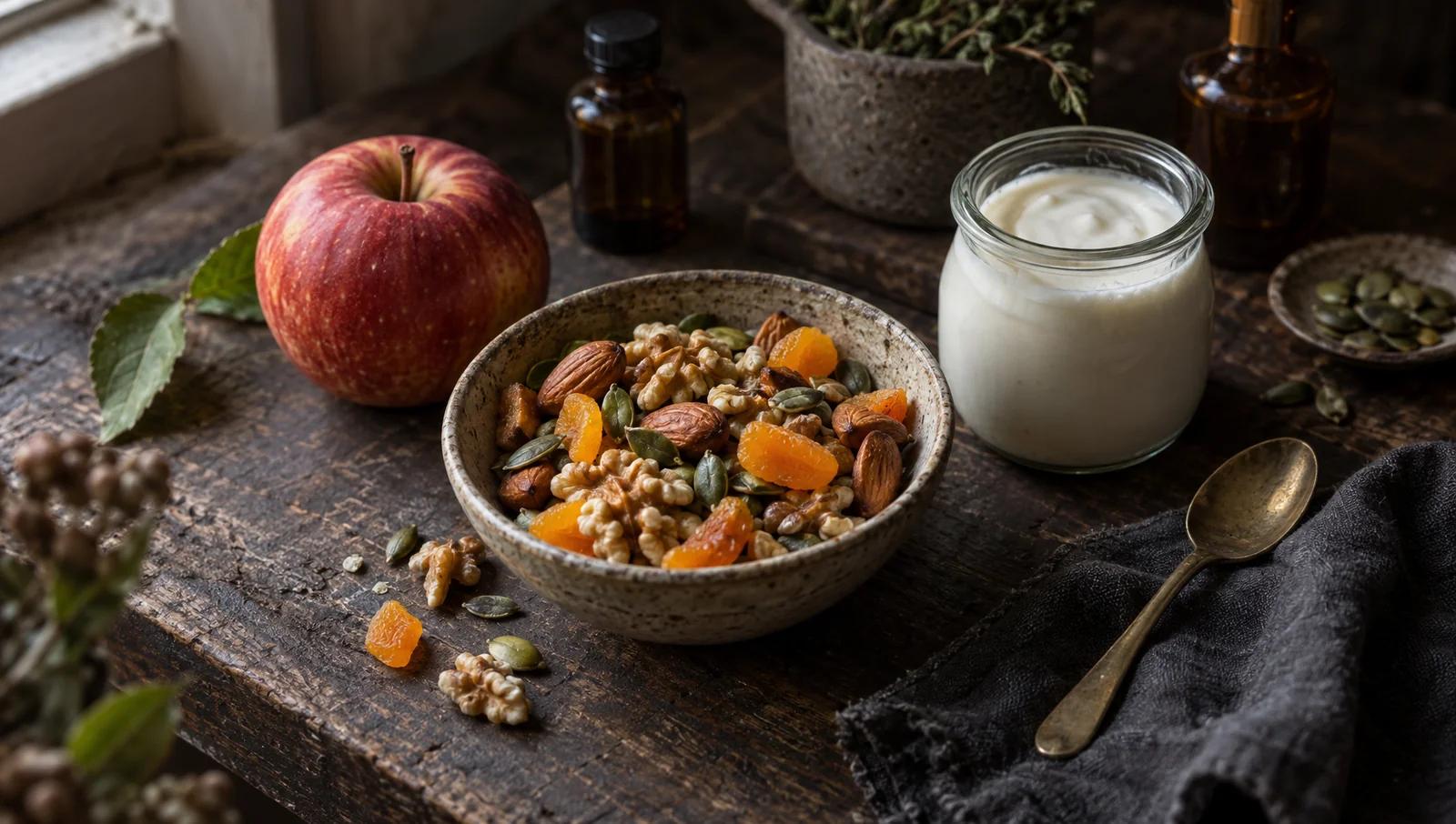
Where to find it: yoghurt, kefir, milk and cheese; calcium-set tofu; canned sardines and salmon with the bones; almonds; sesame seeds and tahini; kale, broccoli and bok choy; fortified plant milks.
Magnesium
Some studies have found lower magnesium levels in women with PMS, and small trials suggest magnesium may help with bloating, breast tenderness and mood. The evidence isn't strong, but magnesium-rich foods are good for you anyway.
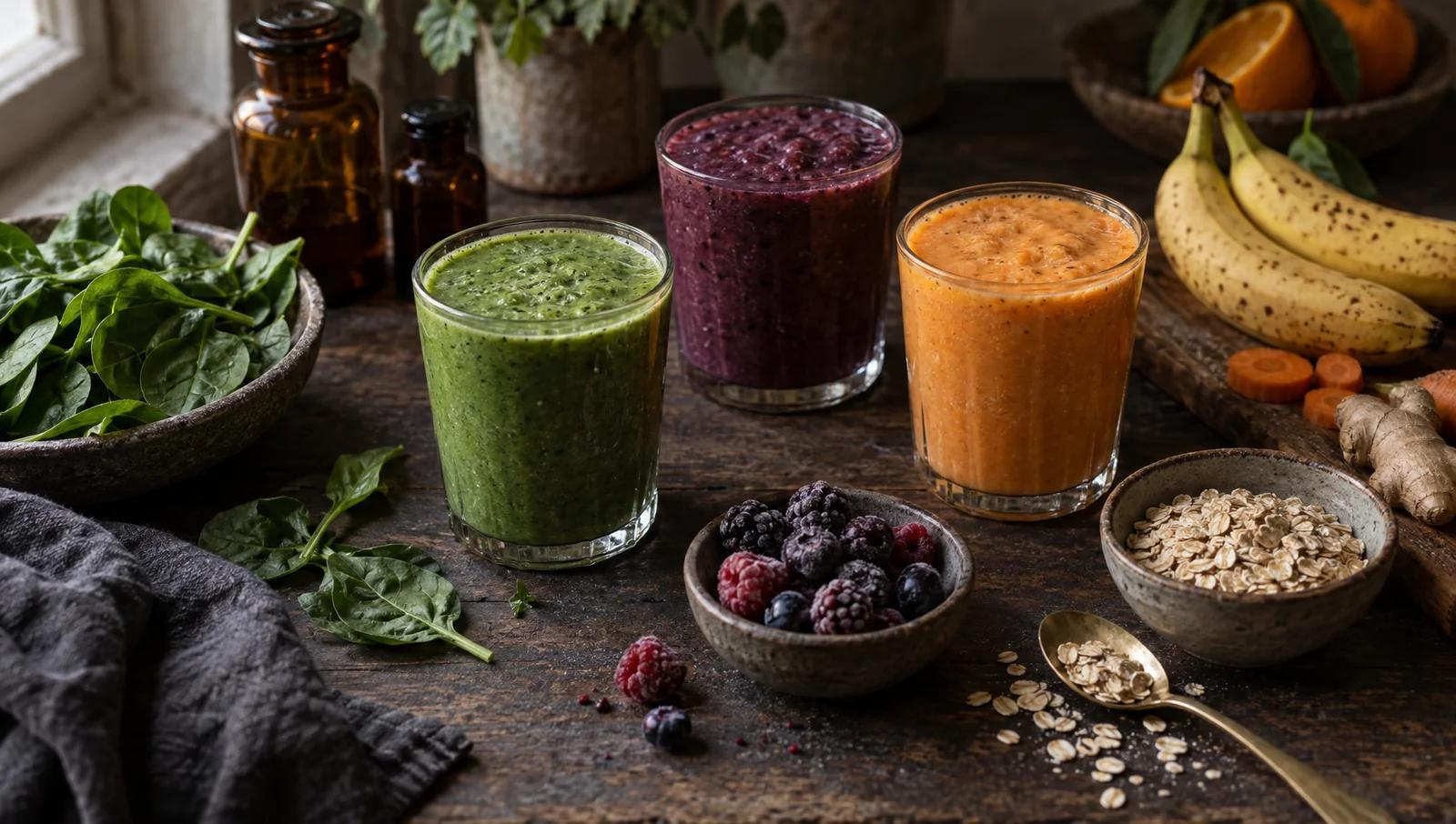
Where to find it: pumpkin seeds, almonds, cashews, spinach, black beans, edamame, brown rice, oats and dark chocolate.
Vitamin B6
Vitamin B6 is involved in making serotonin and other brain chemicals. The NIH notes that some studies suggest B6 may ease PMS symptoms such as moodiness and irritability, though results are inconsistent.
Where to find it: chickpeas, salmon, tuna, chicken, potatoes, bananas and fortified cereals.
Fibre and whole grains
Fibre keeps digestion regular, which helps with the constipation some women get before their period. Whole grains and legumes also release energy slowly, which may take the edge off cravings.
Where to find it: oats, brown rice, beans, lentils, vegetables and whole fruit.
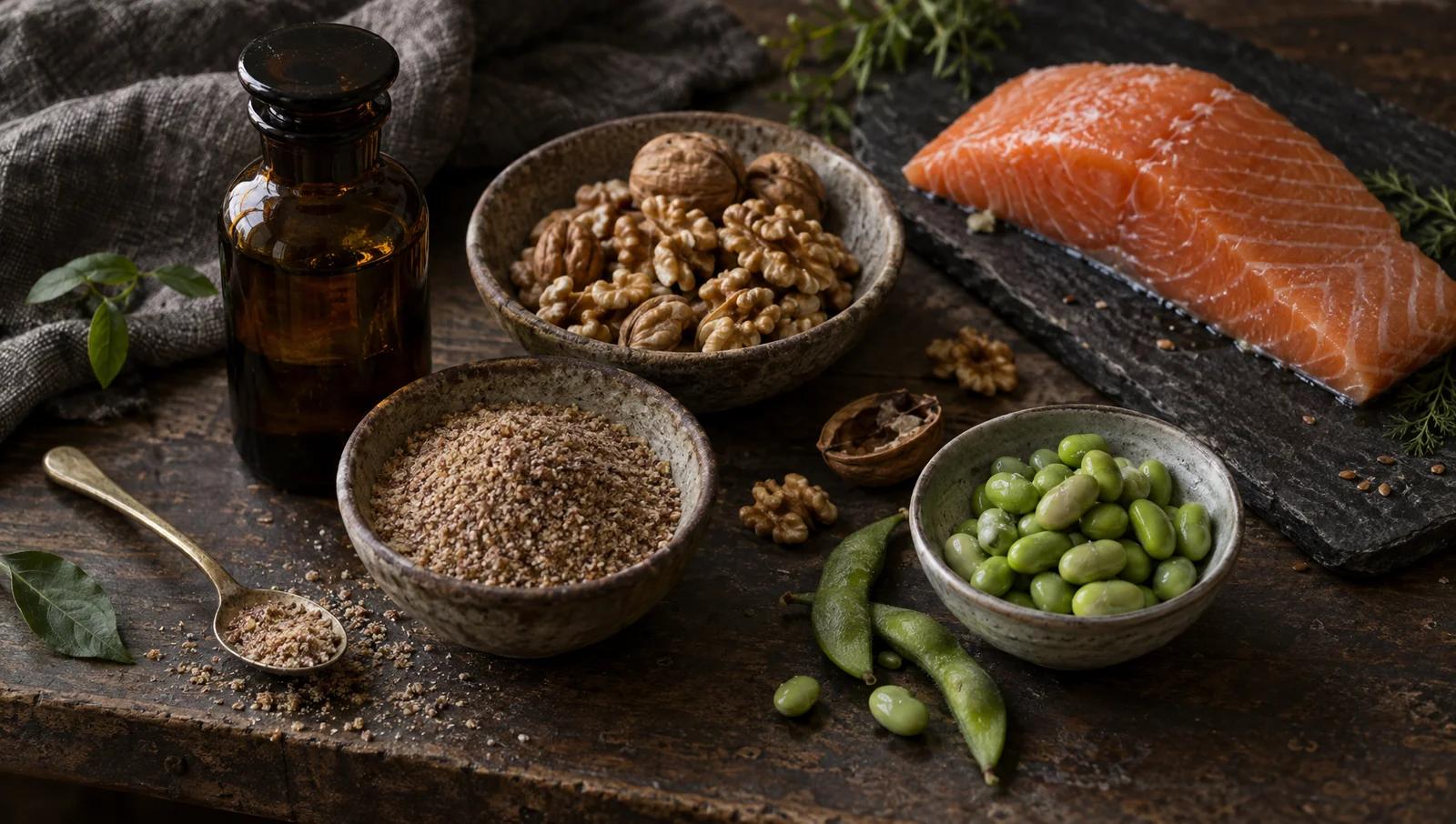
The original version of this article also listed vitamin E and essential fatty acids. The evidence for either easing PMS is weak, so we've left them out of this list. Oily fish, flaxseed and walnuts are still worth eating for your heart.
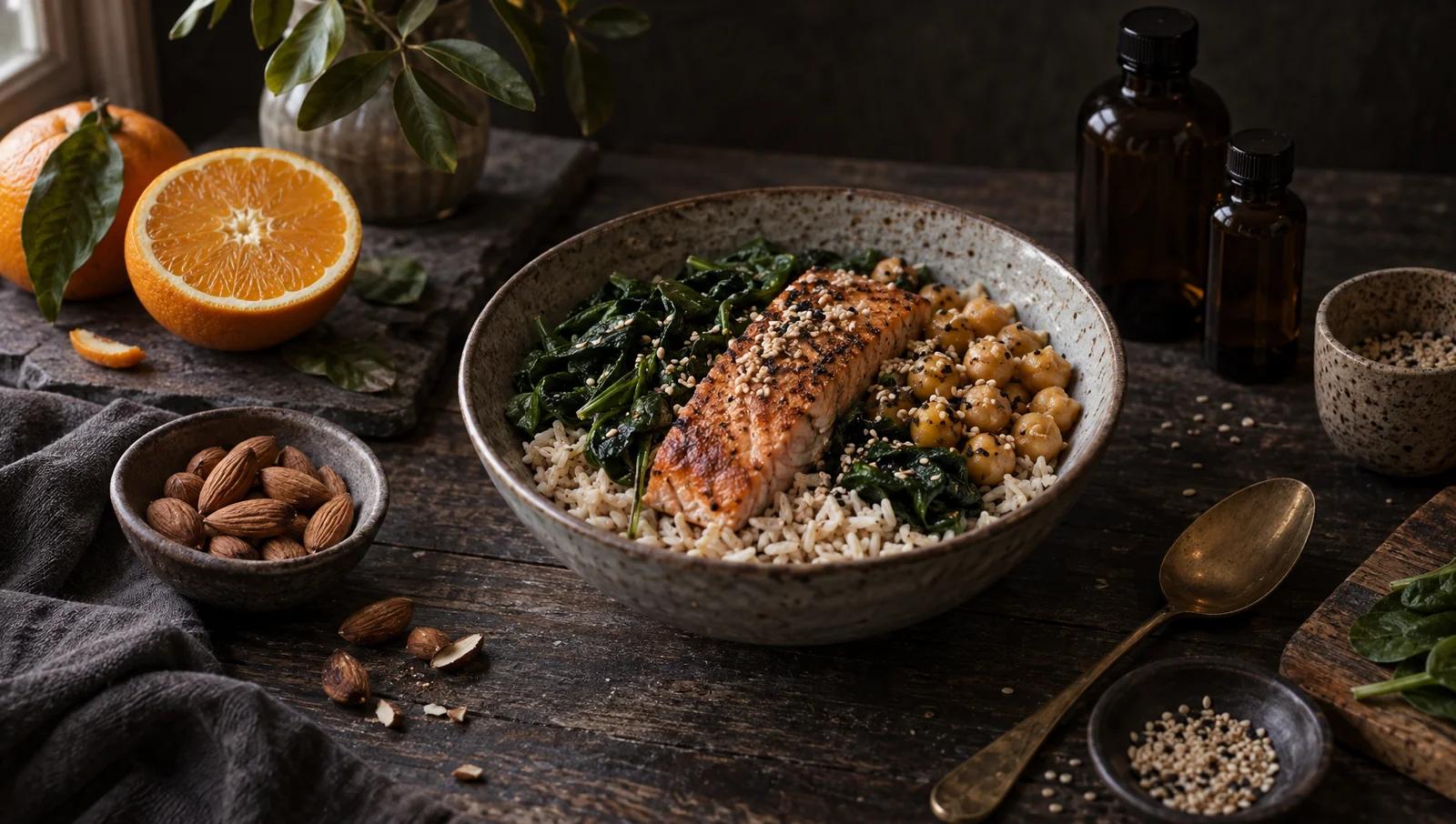
A PMS-week bowl
This bowl brings calcium, magnesium, B6 and fibre together in one easy meal.
Habits that help as much as food
ACOG recommends a few lifestyle changes alongside diet:
- Exercise regularly. Aerobic exercise like brisk walking, cycling or swimming can ease tiredness, low mood and bloating.
- Eat small, regular meals to keep energy steady and cravings in check.
- Cut back on salt in the week before your period to reduce bloating.
- Limit caffeine and alcohol, which can worsen breast tenderness, irritability and sleep.
- Keep a symptom diary for two or three cycles. It shows your pattern and is very useful if you see a doctor.
For stress and sleep, see our five-minute legs-up-the-wall reset.
A note of caution
Talk to your doctor before taking calcium, magnesium or B6 supplements, especially if you take other medicines or have kidney problems. High-dose vitamin B6 taken for a long time can cause nerve damage; stay within the dose your doctor or pharmacist advises. If PMS causes severe depression, anxiety or anger, or thoughts of self-harm, see a doctor. This may be premenstrual dysphoric disorder (PMDD), which is treatable.
The bottom line
Calcium-rich foods, plenty of magnesium and B6 from whole foods, regular exercise and less salt, caffeine and alcohol in the second half of your cycle give you the best food-first chance of an easier week.