If there is one "detox" food with solid science behind it, it is fibre. It keeps you regular, helps carry waste out of the body, feeds the helpful bacteria in your gut and slows down how fast sugar reaches your blood.
Yet most of us don't get nearly enough. Women need about 25 grams a day, and the average adult eats about half that.
Directions for use
- Aim for about 25 grams of fibre a day (a little less after 50: around 21 to 22 grams).
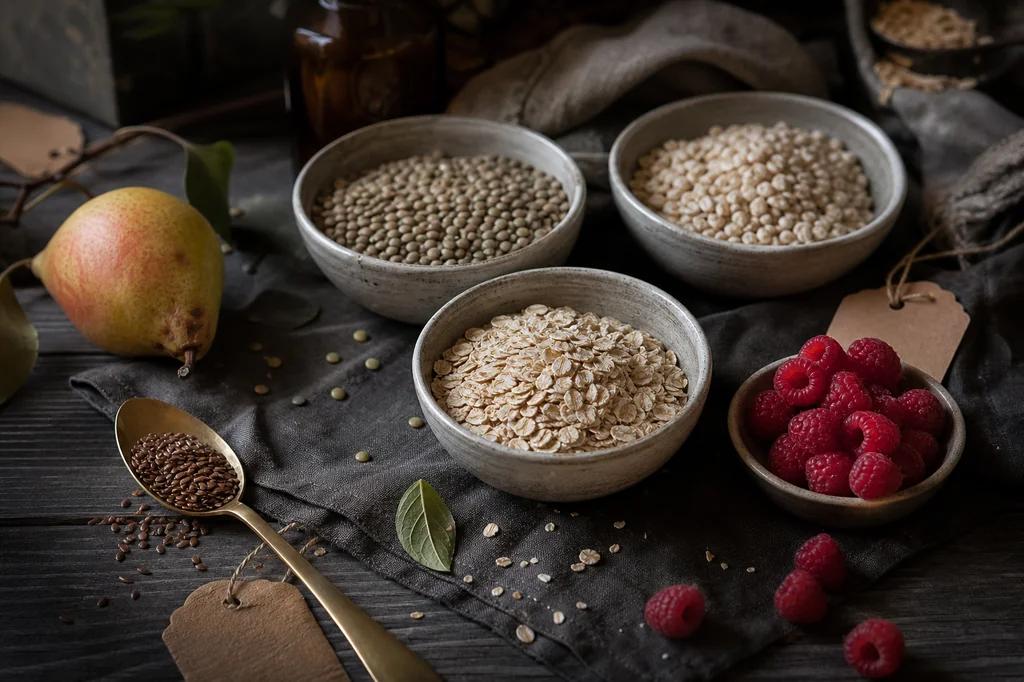
- Beans and lentils are the richest everyday source: 13 to 16 grams per cooked cup.
- Add fibre gradually over two or three weeks and drink more water as you go, or you may feel bloated.
- For constipation, prunes, pears, kiwi, oats and ground flaxseed are especially helpful.
What fibre does for you
Regularity. Insoluble fibre (in wheat bran, vegetables and whole grains) adds bulk to stool. Soluble fibre (in oats, beans, apples and flaxseed) absorbs water and forms a gel that keeps stool soft. Together they make things move.
Blood sugar. Soluble fibre slows the absorption of sugar, which helps avoid energy crashes and supports steady blood sugar.
Cholesterol and heart health. Soluble fibre can lower LDL ("bad") cholesterol. High-fibre diets are linked with lower rates of heart disease and type 2 diabetes.
Weight. High-fibre foods are filling and usually lower in calories, so you feel satisfied on less.
Colon health. Diets rich in fibre are linked with a lower risk of colorectal cancer.
You don't need to track soluble and insoluble fibre separately. Most plant foods contain both. Variety takes care of it.
A high-fibre shopping list
Approximate grams of fibre per serving, rounded, from USDA data.
Beans, lentils and peas
| Food | Serving | Fibre (g) |
|---|---|---|
| Lentils, cooked | 1 cup | 15.5 |
| Black beans, cooked | 1 cup | 15 |
| Split peas, cooked | 1 cup | 16 |
| Chickpeas, cooked | 1 cup | 12.5 |
| Green peas, cooked | 1 cup | 9 |
Grains
| Food | Serving | Fibre (g) |
|---|---|---|
| Pearl barley, cooked | 1 cup | 6 |
| Oats, cooked | 1 cup | 4 |
| Bulgur, cooked | 1 cup | 8 |
| Whole-wheat pasta, cooked | 1 cup | 6 |
| Brown rice, cooked | 1 cup | 3.5 |
Fruit
| Food | Serving | Fibre (g) |
|---|---|---|
| Raspberries | 1 cup | 8 |
| Blackberries | 1 cup | 7.5 |
| Pear, with skin | 1 medium | 5.5 |
| Apple, with skin | 1 medium | 4.5 |
| Avocado | half | 6.5 |
| Prunes | 5 prunes | 3 |
| Kiwi | 2 fruit | 4 |
Vegetables
| Food | Serving | Fibre (g) |
|---|---|---|
| Artichoke, cooked | 1 medium | 7 |
| Brussels sprouts, cooked | 1 cup | 6.5 |
| Broccoli, cooked | 1 cup | 5 |
| Sweet potato, with skin | 1 medium | 4 |
| Carrots, cooked | 1 cup | 5 |
Nuts and seeds
| Food | Serving | Fibre (g) |
|---|---|---|
| Chia seeds | 2 tablespoons | 7 |
| Ground flaxseed | 2 tablespoons | 4 |
| Almonds | 1 oz (23 nuts) | 3.5 |
| Pumpkin seeds, shelled | 1 oz | 2 |
A day at 25 grams
Hitting your target is easier than it looks:
- Breakfast: porridge with raspberries and a spoon of ground flaxseed (about 16 g)
- Lunch: lentil soup with a slice of wholegrain bread (about 12 g)
- Snack: a pear (about 5.5 g)
- Dinner: anything with a cup of broccoli on the side (about 5 g)
That's nearly 40 grams, without a single supplement.
Fibre for constipation
If you're constipated, the NIH suggests adding high-fibre foods slowly and drinking plenty of fluid. Some foods help more than others:
- Prunes and prune juice. They contain fibre and sorbitol, a natural sugar alcohol that draws water into the gut. Studies have found prunes work as well as some fibre supplements.
- Kiwi. Two kiwis a day improved regularity in several studies.
- Pears and apples, eaten with the skin.
- Oats and ground flaxseed, for their soluble fibre.
How to add fibre without discomfort
- Go slowly. Add one high-fibre food every few days so your gut bacteria can adjust.
- Drink more water. Fibre needs fluid to work. Without it, extra fibre can make constipation worse.
- Keep the skins on fruit and potatoes when you can.
- Swap, don't just add: brown rice for white, whole-grain bread for white, beans for some of the meat in a stew.
- Soak and rinse beans, or use tinned beans rinsed well, which reduces the compounds that cause wind.
A note of caution
See a doctor if constipation is new and lasts more than three weeks, or comes with blood in your stool, unexplained weight loss or severe pain. If you have Crohn's disease, a narrowed bowel or have had bowel surgery, ask about the right fibre intake for you.
The bottom line
Fibre is the unglamorous "detox" that actually works. Build your meals around beans, whole grains, fruit, vegetables and seeds, add them gradually, and keep a glass of water nearby.