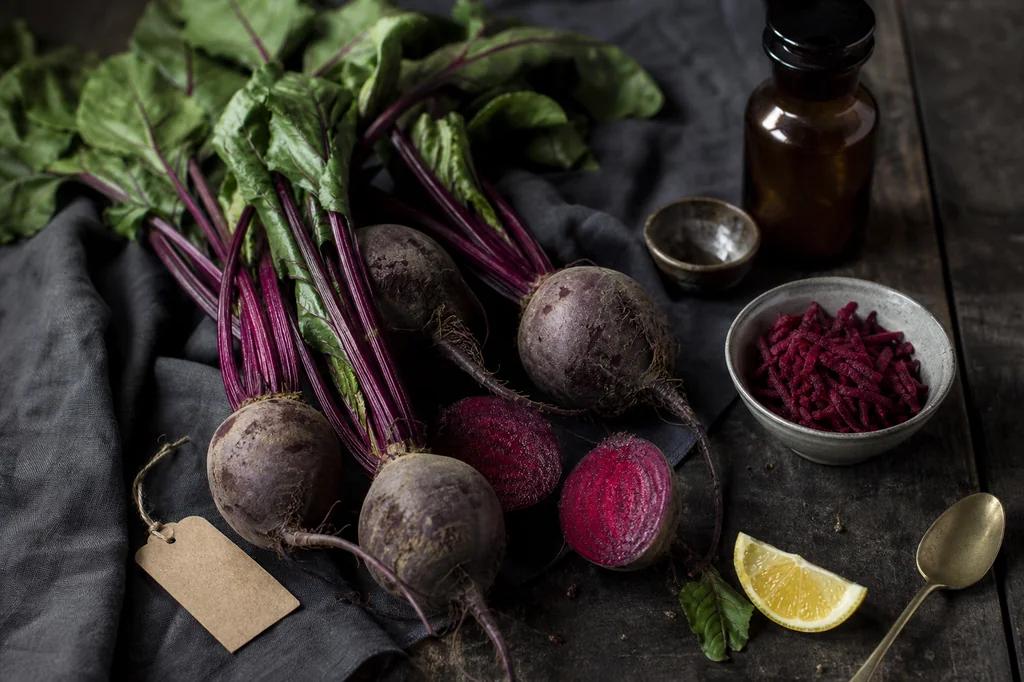
Beets divide a room. Some people remember the tinned, vinegary slices of their childhood and shudder. Others roast them until they're sweet and caramelised and put them in everything.
If you are in the first camp, it is worth trying again. Beets are cheap, keep for weeks and are genuinely good for you. The benefit with the best evidence behind it, a modest drop in blood pressure, comes from something most vegetables don't have in the same quantity.
Directions for use
- Beets are rich in folate, manganese, potassium and fibre, with some vitamin C, iron and magnesium.
- They are one of the richest food sources of dietary nitrate, which the body turns into nitric oxide. That relaxes blood vessels, and studies show beet juice can modestly lower blood pressure.
- Other claims, such as "purifying the blood" or "curing constipation", are overstated. Beets are a good high-fibre vegetable, not a medicine.
- Don't panic if your urine turns pink after eating them. It's harmless and has a name: beeturia.
What's in a beet
A cup of raw beet (about 136 g) has roughly 60 calories, 4 grams of fibre, and around a third of the daily folate an adult needs, according to USDA data. It also brings manganese, potassium, some vitamin C and a little iron.
Folate matters especially for women who might become pregnant, because it helps prevent neural tube defects in early pregnancy. Potassium helps balance the effect of salt on blood pressure. Fibre keeps digestion regular and feeds healthy gut bacteria.
The blood pressure story
This is where beets have real research behind them. Beets are high in nitrate, which the body converts to nitric oxide, a molecule that helps blood vessels relax and widen.
A 2013 review of 16 trials found that nitrate and beetroot juice lowered systolic blood pressure by about 4 to 5 mmHg on average. That is a modest effect, not a replacement for medicine, but it adds up alongside other good habits like eating less salt and moving more. Most studies used beet juice, which concentrates the nitrate. Whole beets contain it too.
A small, practical tip: antibacterial mouthwash can blunt the effect, because mouth bacteria help with the first step of converting nitrate.
What beets don't do
The original version of this article listed eleven reasons to eat beets, including "purify the blood", "regulate menopausal hormones" and "fight colon cancer". We've taken those out. There is no good evidence that beets detoxify the blood or balance hormones.
A diet high in fibre, vegetables and fruit is linked with a lower risk of colon cancer, and beets are a good part of such a diet. That is a different claim from saying beets fight cancer.
Two easy beet salads
Roasting brings out the sweetness far better than boiling, and the skins slip off easily afterwards. Wear gloves, or rub your hands with lemon juice afterwards, to deal with the stains.
The second salad is an Eastern European classic: sweet prunes, crunchy walnuts and a kick of horseradish.
Don't throw away the greens
Beet greens are edible and delicious, similar to chard. Sauté them with garlic and olive oil, or add them to soups. They are rich in vitamin K and vitamin A.
A note of caution
Beets and beet greens are high in oxalates. If you have had calcium oxalate kidney stones, ask your doctor how much is right for you. Beet juice can lower blood pressure, so if you already take blood pressure medicine, mention any regular beet juice habit to your doctor.
The bottom line
Beets are an inexpensive, long-keeping vegetable with a real, modest benefit for blood pressure and plenty of folate and fibre. Roast a batch on Sunday and you'll have the base for salads all week.