Every spring we promise ourselves more fruit and vegetables. Then someone mentions pesticides and the promise wobbles: is a punnet of strawberries still good for you if it has been sprayed?
The short answer is yes. The long answer is that some produce carries noticeably more pesticide residue than others, and knowing which is which lets you spend your organic budget where it matters most.
Directions for use
- Eating fruit and vegetables, organic or not, is far better for your health than avoiding them.
- The Environmental Working Group's "Dirty Dozen" ranks produce by pesticide residue. Soft, thin-skinned fruit such as strawberries, peaches and cherries usually sits near the top.
- Buy organic for the top of the list if you can, and conventional for the "Clean Fifteen".
- Organic doesn't mean pesticide-free. Washing under running water helps for everything.
What the Dirty Dozen actually is
Each year the U.S. Department of Agriculture tests thousands of samples of fruit and vegetables for pesticide residues through its Pesticide Data Program. The Environmental Working Group (EWG), a non-profit, uses that data to rank produce from most to least residue. It publishes the result as the Shopper's Guide to Pesticides in Produce: a "Dirty Dozen" with the most residue and a "Clean Fifteen" with the least.
The exact order changes a little every year, so check the current list before you shop. But the same kinds of produce turn up again and again.
Usually near the top (worth buying organic)
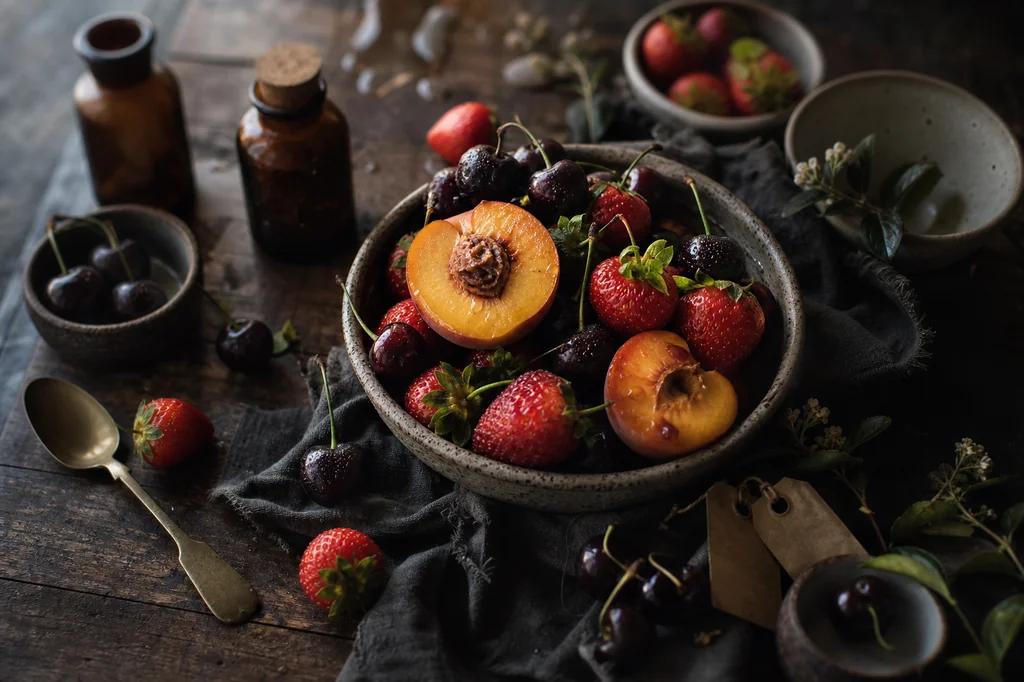
- Strawberries, often number one
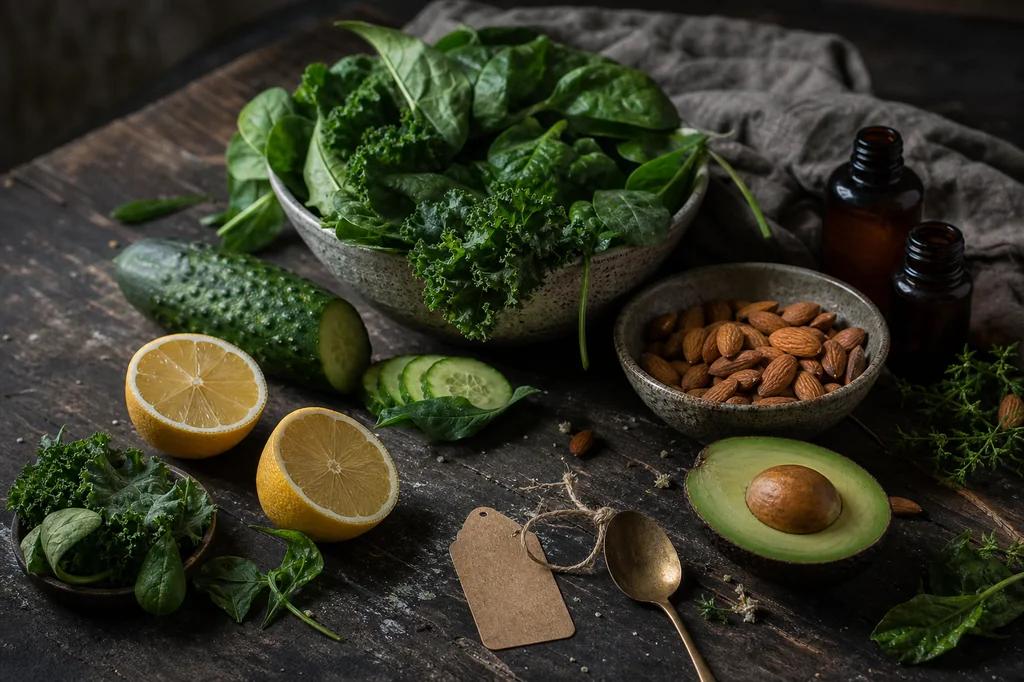
- Spinach, kale and other leafy greens such as collards and mustard greens
- Peaches and nectarines
- Cherries
- Grapes
- Apples and pears
- Bell and hot peppers, and celery
Thin skins, soft flesh and leaves that are eaten whole make these more likely to hold on to residue.
Usually on the "Clean Fifteen" (fine to buy conventional)
- Avocados and pineapple, which have thick, inedible skins
- Sweet corn, onions and frozen sweet peas
- Papaya, mango, kiwi, honeydew and watermelon
- Cabbage, asparagus, mushrooms and sweet potatoes
Keeping it in proportion
It is worth being honest about what these rankings mean. Most residues found in USDA testing are below the safety limits set by the Environmental Protection Agency. EWG argues those limits are not strict enough, especially for children and pregnant women, and that is a reasonable debate. Nobody serious argues that you should eat fewer strawberries.
The benefit of eating plenty of fruit and vegetables is large and well established. The risk from residues on conventional produce is small and still debated. If organic is not in your budget, conventional produce is still an excellent choice.
Organic doesn't mean spray-free
The USDA Organic seal means a crop was grown without most synthetic pesticides and fertilisers. It doesn't mean no pesticides at all: organic farmers may use approved natural and some synthetic ones. Organic produce generally carries less residue, not zero.
Buying locally can be a good middle path. Small growers at a farmers' market will usually tell you exactly how they grow, and some farm with few or no sprays without paying for organic certification.
How to clean produce properly
Washing removes dirt, germs and some surface residue from both organic and conventional produce. The U.S. Food and Drug Administration recommends:
- Wash your hands first, with soap and warm water.
- Rinse produce under running water just before you eat or cook it, not before storing, as moisture speeds spoiling.
- Rub firm produce like apples, potatoes and melons with your hands or a clean brush, even if you will peel it.
- Skip soap, detergent and commercial produce washes. Plain water works, and soap residues are not meant to be eaten.
- Dry with a clean cloth or paper towel to remove a little more.
- Remove the outer leaves of cabbage and lettuce.
Soft berries bruise easily, so rinse them gently in a colander just before eating.
A simple shopping plan
- If your budget allows one organic swap, make it strawberries or leafy greens, the produce you are most likely to eat often and whole.
- Buy conventional for anything on the Clean Fifteen.
- Frozen organic berries are often much cheaper than fresh and just as nutritious.
- Eat the rainbow anyway. Variety spreads out any exposure and brings a wider range of nutrients.
If you are pregnant or feeding young children
This is the group where many researchers think lowering pesticide exposure matters most. Choosing organic for the top of the Dirty Dozen, and washing everything well, is a reasonable precaution. Keep offering plenty of fruit and vegetables either way.
The bottom line
Fruit and vegetables are good for you, sprayed or not. Use the Dirty Dozen to decide where organic money is best spent, wash everything under running water, and keep your fruit bowl full.