Most resolutions to "get healthier and lose weight" fail for the same reason: they ask for too much, too soon. A new diet changes everything at once, and by March it has usually been dropped.
Two habits ask for almost nothing, and they compound: one extra glass of water before breakfast, and thirty minutes of ordinary movement a day. Neither needs a gym, a plan or willpower you don't have. Kept for a year, they add up to 365 extra glasses of water and tens of thousands of calories burned.
Directions for use
- Start the day with a glass of water, before coffee. Add a second with breakfast and you are two glasses ahead before the day begins.
- There is no magic "eight glasses" rule. Thirst, pale urine and your activity level are better guides.
- Everyday movement counts: brisk walking, stairs, housework and gardening all burn meaningful calories.
- About 30 minutes of walking a day is roughly 3,000 to 4,000 calories a month for an average woman.
Why water first
Your body loses water all day through breathing, sweat, urine and digestion, and it needs replacing. Even mild dehydration can bring on the symptoms many of us blame on a long day: a dull headache, tiredness, dizziness, trouble concentrating and a dry mouth.
Water also helps with weight in a simple, unglamorous way. When it replaces a sweetened coffee drink, a soda or a juice, you save the sugar and calories without feeling deprived.
How much is enough?
You may have heard "eight glasses a day." It is a reasonable reminder but not a rule. The U.S. National Academies suggest women take in about 11.5 cups (2.7 litres) of fluid a day from all sources, and roughly a fifth of that usually comes from food like fruit, vegetables and soup. Tea and coffee count too.
A more practical check: if you rarely feel thirsty and your urine is pale yellow, you are probably drinking enough. Drink more in hot weather, when you exercise, and if you are unwell with fever or vomiting.
An easy morning routine
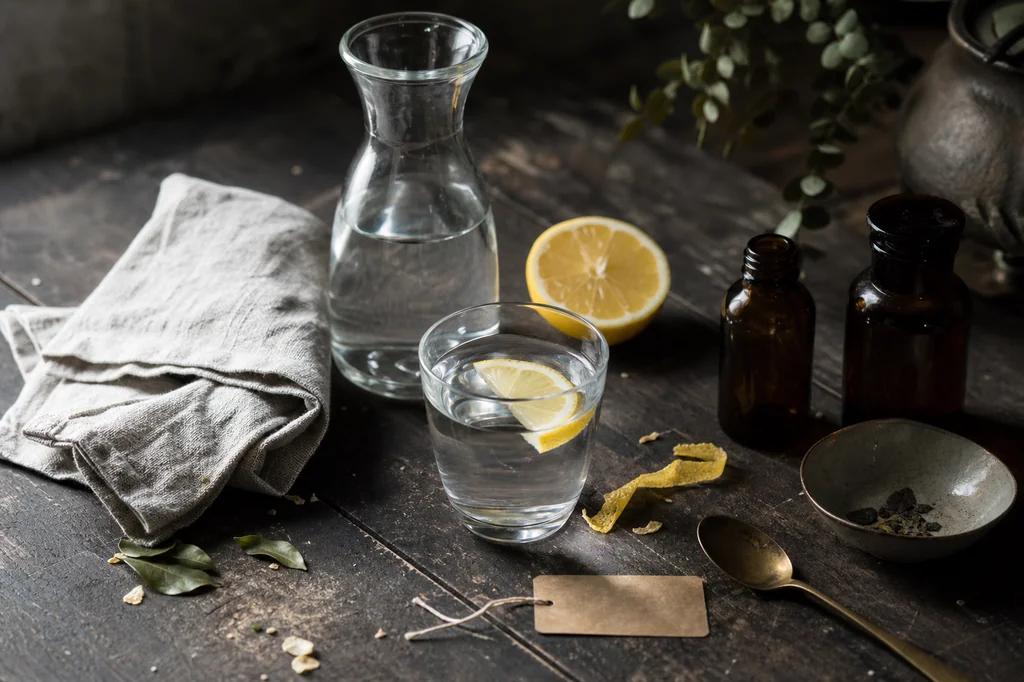
- Before breakfast: a glass of water, warm or cool. A squeeze of lemon makes it more inviting, though the lemon is for taste, not a cleanse.
- With breakfast: a cup of tea, or another glass of water.
- Keep it visible: a full glass or bottle on the counter or desk gets drunk. One in the cupboard doesn't.
That is two glasses before your day has properly started.
A word on tap water
In the United States, public water systems are regulated by the Environmental Protection Agency, and your supplier must publish an annual water quality report (a Consumer Confidence Report). Read yours. If you live in an older home that may have lead pipes, or you use a private well, a certified filter or a water test is sensible. For most people on a public supply, tap water is a safe, cheap and easy way to drink more.
Thirty minutes of movement, without a gym
The World Health Organization recommends at least 150 minutes of moderate activity a week for adults. That is about 30 minutes, five days a week, and it doesn't have to happen in one go or in workout clothes.
The table below estimates calories burned in 30 minutes by a woman weighing about 150 pounds (68 kg). It uses standard activity values from the Compendium of Physical Activities. A heavier person burns more, a lighter person less, and pace matters, so treat these as ballpark figures.
| Activity (30 minutes) | Approx. calories |
|---|---|
| Walking, brisk (3.5 mph) | 150 |
| Walking, easy pace (2.5 mph) | 105 |
| Climbing stairs, slowly | 140 |
| Gardening, general | 135 |
| Vacuuming or mopping | 115 |
| Grocery shopping with a cart | 85 |
| Cooking or washing dishes | 70 |
| Playing with a dog, moderate | 100 |
Add it up
- Thirty minutes of walking a day at an ordinary pace is roughly 3,000 to 4,500 calories a month.
- Take the stairs instead of the lift a few times a day and you add a few hundred more each week.
- Pace while you talk on the phone. It is surprisingly easy to add 20 minutes of light movement to a day this way.
A dog helps. Two brisk walks a day are hard to skip when someone is waiting by the door with a lead in their mouth. But a friend, a podcast or a regular route works too.
Start smaller than you think
Habits stick when they are small enough to do on a bad day. So start with just one:
- Week one: a glass of water before breakfast, every day.
- Week two: add a 10-minute walk after lunch or dinner.
- Week four: stretch the walk to 20 or 30 minutes, or add a second one.
If you miss a day, simply start again the next. What matters is the year, not the week.
A note of caution
Some conditions, including heart failure and kidney disease, need fluids to be limited. If you have been told to restrict fluids, follow your doctor's advice. If you are new to exercise, have a heart condition, or have joint problems, check with your doctor before stepping up activity.
The bottom line
One extra glass of water a day is 365 glasses a year. Thirty minutes of ordinary movement a day is thousands of calories a month. Neither feels like a diet, and that is exactly why they last.