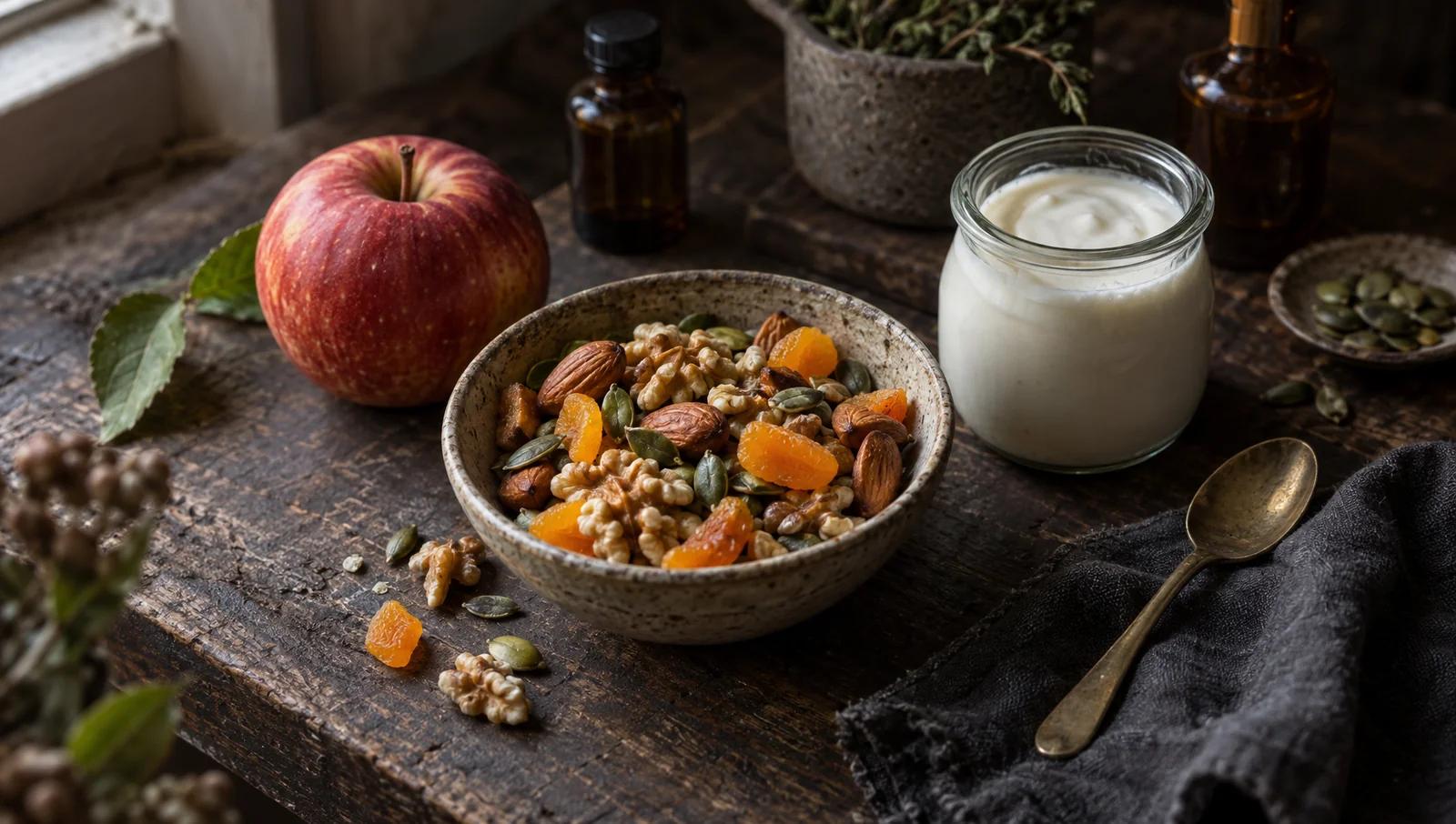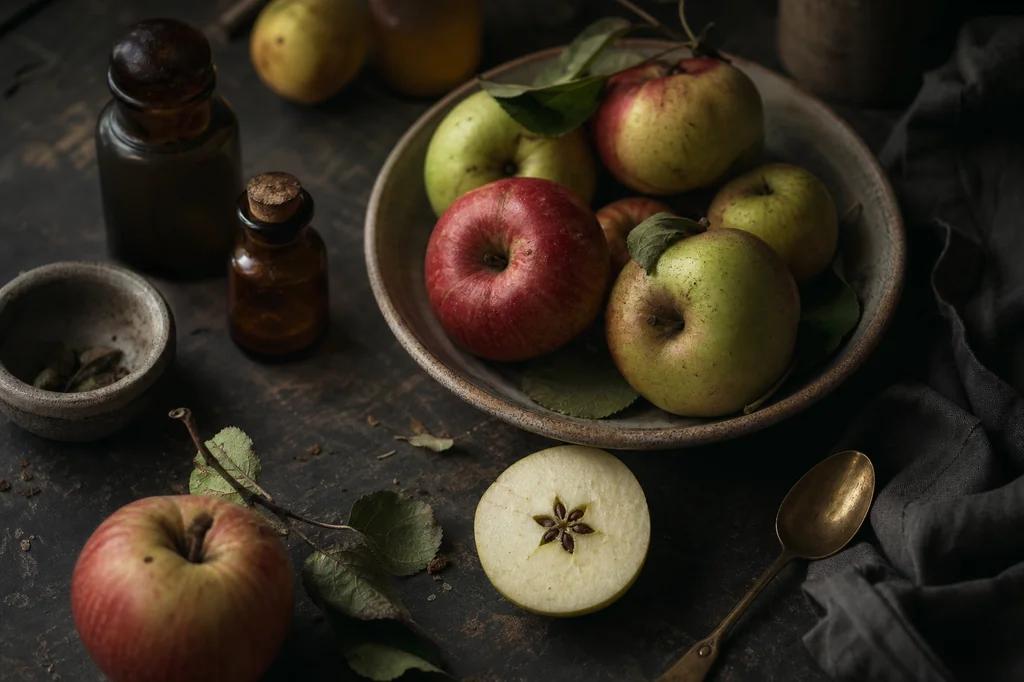
"An apple a day keeps the doctor away" is one of the oldest bits of food advice there is. Researchers have actually tested it, and the honest answer is that apple eaters don't see the doctor much less often. But they do tend to eat better overall, and the apple itself deserves more credit than we give it.
It is cheap, portable, keeps for weeks in the fridge and asks nothing of you but a rinse. Here are four good reasons to make it a daily habit.
Directions for use
- A medium apple has about 95 calories and 4.5 grams of fibre, much of it pectin, a soluble fibre.
- Pectin helps lower LDL cholesterol and supports regular, comfortable digestion.
- Apples are rich in polyphenols, especially in the skin, so don't peel them.
- Apples usually rank high for pesticide residue: wash them well, and buy organic if you can.
1. Fibre that works in two directions
An apple's fibre is part insoluble (mostly in the skin) and part soluble, mainly pectin. Soluble fibre forms a gentle gel in the gut. That is why apples can help in both directions: they add bulk when you're constipated, and grated or stewed apple has long been a folk remedy for mild diarrhoea.
Pectin also binds some cholesterol-rich bile in the gut so it leaves the body, which helps lower LDL ("bad") cholesterol over time.
One claim from the original version of this article we've dropped: that apple pectin removes heavy metals and radiation from the body. That's not supported for everyday eating.
2. Polyphenols, mostly in the skin
Apples are among the richest everyday sources of polyphenols, plant compounds including quercetin and catechins. These have antioxidant and anti-inflammatory effects in the lab, and diets rich in fruit are linked with lower rates of heart disease.
Much of this is concentrated in and just under the skin. Peeling an apple throws away a good share of both the fibre and the polyphenols.
3. A filling snack for few calories
An apple is mostly water and fibre, so it fills you up for about 95 calories. In studies, people who ate an apple before a meal went on to eat less at that meal than people who ate the same calories as apple sauce or juice. Whole fruit beats juice: juice keeps the sugar and loses most of the fibre.
4. Steady energy
Apples contain natural sugar, but with fibre alongside it they have a low glycaemic index. That means a gentle rise in blood sugar rather than a spike and crash. Pair an apple with a handful of nuts or a spoon of peanut butter and the energy lasts even longer.
Three easy ways to eat more apples
- Apple and cheese: a sliced apple with a small piece of sharp cheddar is a classic for good reason.
- Slaw: grate apple into cabbage slaw with lemon juice, a little yoghurt and seeds.
Choosing and cleaning apples
Apples consistently rank high on the Environmental Working Group's list for pesticide residue. That's not a reason to avoid them: eating fruit is far better for you than not. But it's worth:
- washing apples well under running water, rubbing the skin with your hands or a soft brush;
- buying organic if your budget allows; and
- buying local and in season, when apples are cheapest and freshest.
The bottom line
An apple a day won't keep every doctor away, but it's an easy, low-cost habit: fibre for your gut and heart, polyphenols in the skin, and a sweet, filling snack for under 100 calories. Wash it, leave the skin on, and eat it whole.