Say the word "chocolate" and most people smile. It's the classic comfort food, the thing we reach for after a hard day, and the most reliable present there is.
There are real reasons it makes us feel good, and dark chocolate has some genuine health benefits too. But some popular claims need a gentler touch. Here's what we know, and how to choose a bar that gives you more of the good and less of the rest.
Directions for use
- Chocolate lifts mood mostly through pleasure itself: taste, texture, the melt, and the memories and rituals around it.
- Cocoa contains small amounts of caffeine and theobromine, mild stimulants that can add a little lift.
- Cocoa flavanols help blood vessels relax and can modestly lower blood pressure.
- Choose 70% cocoa or more, with cocoa listed first, and enjoy a square or two rather than the bar.
Why chocolate makes us feel good
Pleasure is chemistry too. Eating something delicious triggers the brain's reward system and releases dopamine. Chocolate is designed to be delicious: it melts at just below body temperature, and the combination of sweetness, bitterness and fat is very satisfying.
Mild stimulants. Cocoa contains caffeine (a square of dark chocolate has about as much as a few sips of coffee) and theobromine, a gentler stimulant. Together they can give a small lift in alertness.
Rituals and memories. For many of us, chocolate is tied to treats, celebrations and comfort, and those associations are part of why it feels so good.
You may have read that chocolate raises serotonin or endorphins enough to fight low mood, or that women are biologically more sensitive to chocolate than men. Those ideas are popular, but the evidence isn't strong. Chocolate cravings are real, and often linked to stress, habit and the menstrual cycle. Chocolate can brighten a moment, but it isn't a treatment for depression.
The heart-health side
This is where dark chocolate has better evidence:
- Blood pressure. A Cochrane review of 40 trials found cocoa products lowered blood pressure by about 2 mmHg on average, a small but real effect.
- Blood vessels. Cocoa flavanols help the lining of blood vessels relax and improve blood flow.
- Magnesium. Dark chocolate is a surprisingly good source, and many women don't get enough.
These benefits come from the cocoa. Milk chocolate and white chocolate have little or none of them.
How to choose a good bar
- 70% cocoa or more. If very dark chocolate tastes too bitter, start at 70% and let your palate adjust. Most people find they come to love 80% and above.
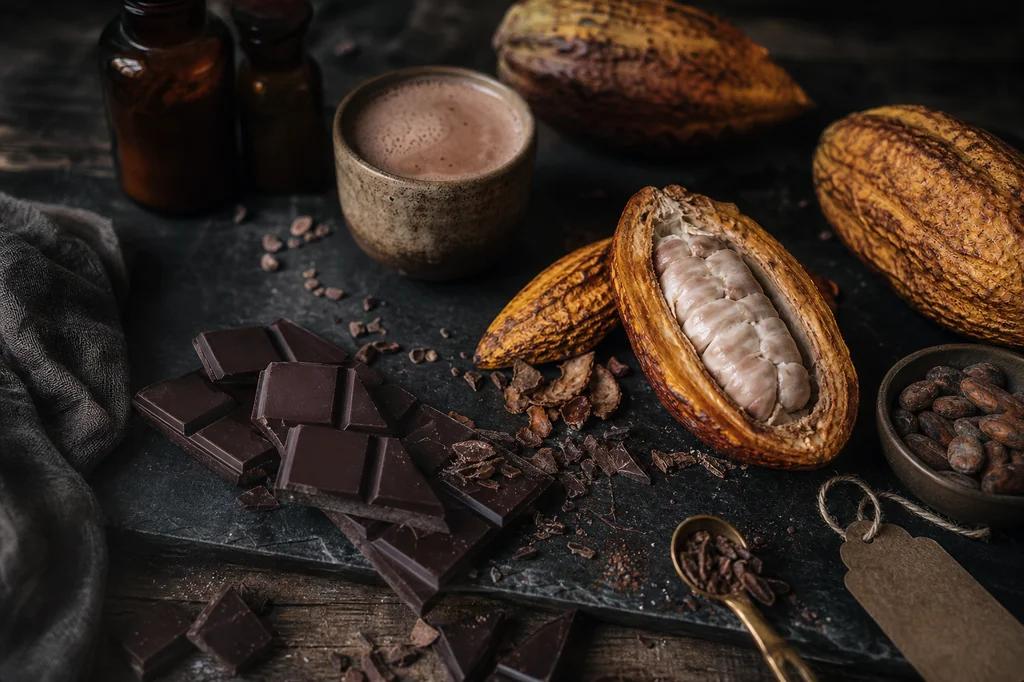
- Cocoa first on the ingredient list. Look for cocoa mass, cocoa solids or cocoa liquor before sugar.
- Cocoa butter, not vegetable fat. Cheaper bars sometimes replace cocoa butter with other fats.
- Avoid "processed with alkali" (Dutch-processed) cocoa if you want the flavanols, as alkalising removes a large share of them.
- Keep it simple. The shorter the ingredient list, the better.
How to enjoy it
- Slow down. Let a square melt on your tongue. Savouring makes a small amount far more satisfying.
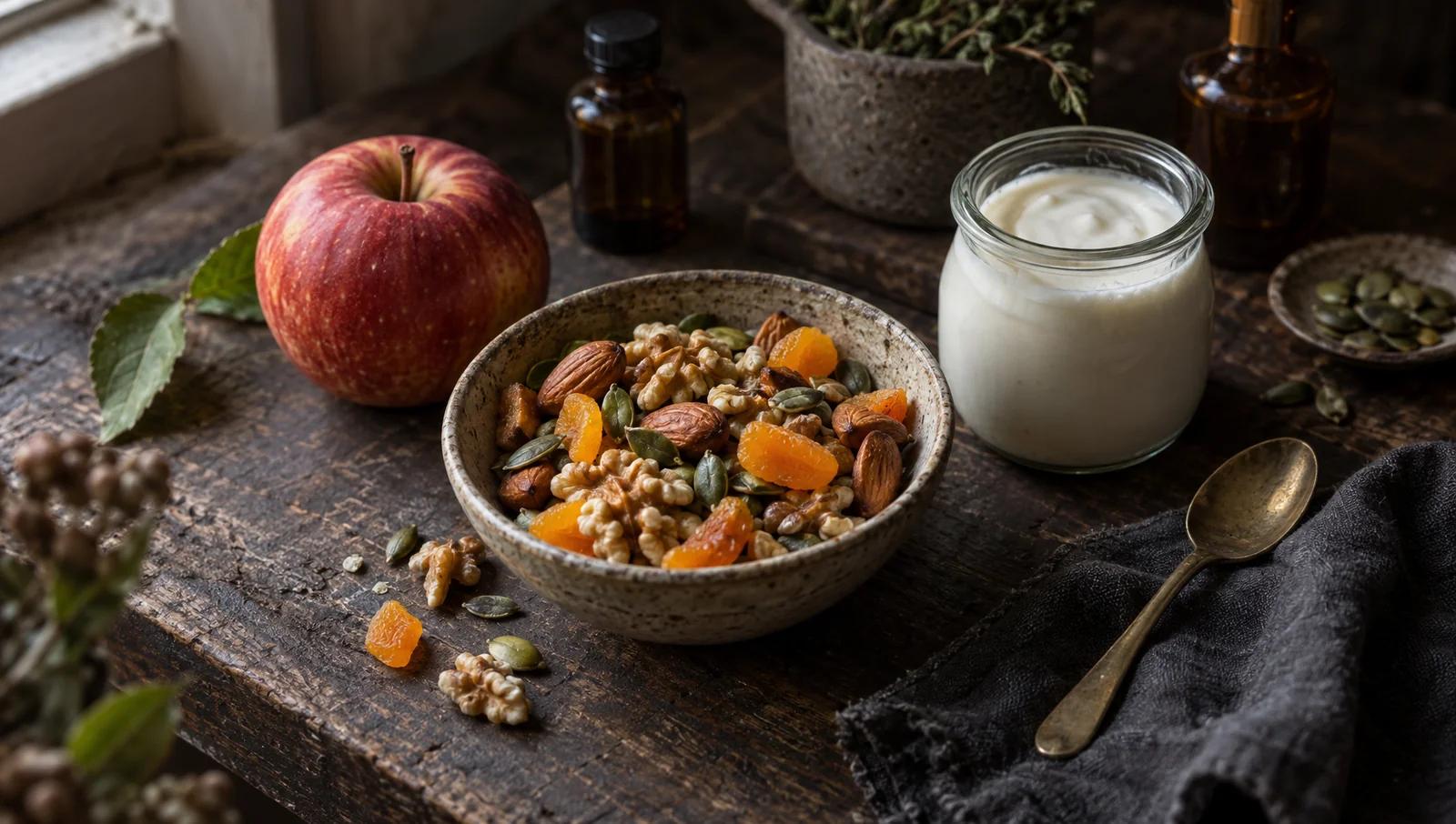
- Pair it with fruit or nuts for a more filling snack: dark chocolate and berries, or a few almonds.
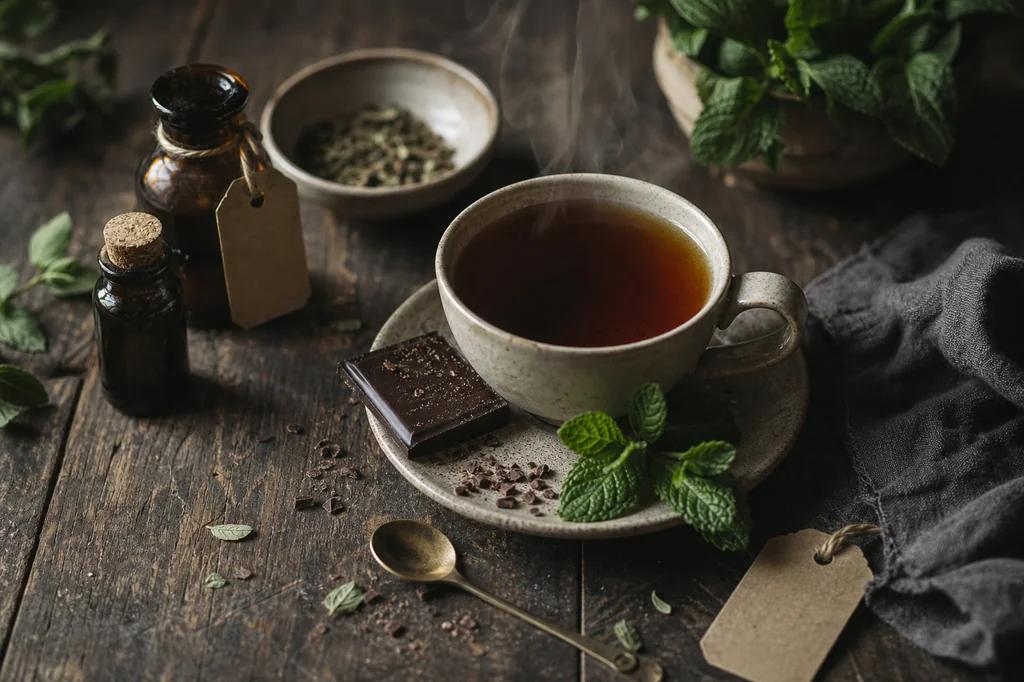
- Make cocoa. A cup of hot cocoa made with natural cocoa powder and milk, sweetened lightly, is a warming, flavanol-rich treat.
- Keep the portion small. Two squares (about 20 g) is around 110 calories. The bar still carries sugar and saturated fat.
The original version of this article suggested toasting with a glass of red wine. We'll leave that one out: current guidance is that less alcohol is better for health, whatever the antioxidants.
A note of caution
Dark chocolate contains caffeine, so if you're sensitive or eat it in the evening, it may affect your sleep. Some dark chocolates have tested for small amounts of lead and cadmium, so vary your brands and keep portions modest, especially in pregnancy. And keep chocolate away from dogs, for whom it's toxic.
The bottom line
Chocolate makes us feel good because it's delicious, and that's reason enough. Choose a dark bar with plenty of cocoa, savour a square or two slowly, and enjoy both the pleasure and the modest heart benefits.